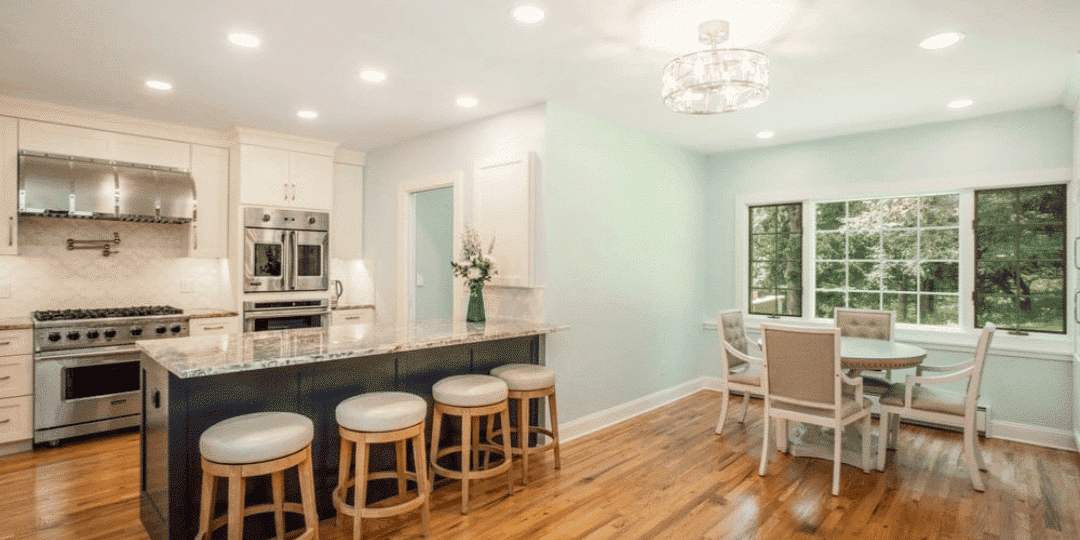
When homeowners start exploring professional kitchen remodeling, the first question often isn’t about cabinets or countertops, it’s about who should manage the project. Some people consider contractor-only kitchen projects as a faster or simpler option, while others look for a more structured, guided experience that brings everything together under one plan.
The difference between professional kitchen remodeling and contractor-only kitchen projects isn’t just about who swings the hammer. It’s about how decisions are made, how problems are prevented, and how the entire kitchen remodeling process is coordinated from start to finish. From early kitchen renovation planning to final installation, the level of oversight and accountability can dramatically shape the outcome.
This article breaks down what truly separates a full-service kitchen remodel from contractor-only approaches, helping homeowners understand what they’re really choosing when they begin planning a kitchen transformation.
The Planning Difference: Why Professional Kitchen Remodeling Starts Earlier
One of the clearest differences in professional kitchen remodeling is how early and thoroughly planning happens.
In a professional remodeling model, the kitchen remodeling process begins long before demolition. Designers, project managers, and specialists collaborate to define layout, workflow, materials, timelines, and contingencies. This type of kitchen renovation planning reduces guesswork and minimizes surprises once construction begins.
By contrast, contractor-only kitchen projects often focus on execution rather than strategy. The contractor may wait for decisions to be finalized as the project moves forward, which can lead to delays or reactive changes.
Key planning elements handled upfront in professional remodeling include:
- Functional layout and traffic flow
- Material compatibility and lead times
- Structural considerations before demolition
- Budget alignment with realistic timelines
This early planning phase creates clarity for homeowners and ensures the full-service kitchen remodel moves forward with fewer disruptions.
Project Coordination vs Task Completion

Another major distinction lies in coordination. Professional kitchen remodeling treats the project as a system, not a checklist.
A professionally managed kitchen remodeling process assigns responsibility for coordinating trades, scheduling inspections, and resolving conflicts between phases of work. Plumbing, electrical, cabinetry, and finishes are sequenced intentionally, reducing downtime and miscommunication.
In contractor-only kitchen projects, coordination may fall partially on the homeowner. While individual tasks may be completed well, the overall project can suffer when responsibilities overlap or fall through gaps.
Professional remodeling coordination typically includes:
- Centralized scheduling across all trades
- Clear accountability for quality control
- Consistent communication updates
- Proactive problem resolution
This level of coordination helps maintain momentum and keeps the project aligned with the original kitchen renovation planning goals.
A key distinction between professional kitchen remodeling and contractor-only projects becomes clear when project conditions change after work begins. In professionally managed remodels, adjustments are handled through established planning, documentation, and coordination processes that account for material lead times, trade sequencing, and inspection requirements. In contractor-only kitchen projects, similar changes often create delays because design decisions, scheduling, and procurement are not centrally managed. This difference is most noticeable in projects involving cabinetry, appliance integration, or layout modifications, where early coordination reduces rework and protects both timelines and budgets. Understanding how each service model responds to change helps homeowners assess which approach better matches their expectations for involvement, risk management, and long-term results.
Design Integration and Long-Term Performance
Professional kitchen remodeling places strong emphasis on how design choices affect long-term use, not just immediate appearance.
Rather than selecting finishes in isolation, a full-service kitchen remodel evaluates how cabinets, appliances, lighting, and storage function together. This integrated approach ensures that aesthetic decisions also support durability, efficiency, and daily comfort.
Contractor-only kitchen projects may rely more heavily on homeowner selections without the same level of design integration. While the result can still be attractive, it may lack cohesion or overlook practical considerations that become apparent after installation.
Professionally guided design decisions often consider:
- How materials age over time
- Maintenance requirements
- Ergonomic placement of appliances
- Lighting effectiveness for daily tasks
This focus on performance helps professional kitchen remodeling deliver results that continue to feel intentional years after completion.
Accountability, Documentation, and Risk Management
Accountability is another area where professional kitchen remodeling stands apart.
In a structured remodeling environment, responsibilities are documented, timelines are tracked, and changes are formally managed. This documentation protects both the homeowner and the project team by creating clarity around expectations and approvals.
Contractor-only kitchen projects may rely more on informal agreements, which can create confusion if scope changes arise or issues need resolution.
Professional kitchen remodeling typically includes:
- Written scopes of work
- Change management processes
- Quality checkpoints throughout the kitchen remodeling process
- Clear responsibility for warranty coordination
This structure reduces risk and helps homeowners feel confident throughout the renovation journey.
How DreamStyle Kitchens & Baths Approaches Professional Kitchen Remodeling
At DreamStyle Kitchens & Baths, professional kitchen remodeling is built around thoughtful planning, coordinated execution, and consistent communication.
The team works with homeowners to guide kitchen renovation planning from concept through completion, ensuring every phase of the kitchen remodeling process aligns with the original vision. By managing design, scheduling, and quality control together, DreamStyle helps homeowners navigate complex remodeling decisions without feeling overwhelmed.
For those exploring a full-service kitchen remodel, learning how professional remodeling teams approach coordination and planning can help clarify what level of involvement and support best fits their goals.
FAQs
What is the main difference between professional kitchen remodeling and contractor-only projects?
Professional kitchen remodeling includes planning, coordination, and accountability across the entire project, while contractor-only projects often focus on individual tasks.
Does professional kitchen remodeling take longer?
Not necessarily. While planning may take more time upfront, professional coordination often reduces delays during construction.
Is kitchen renovation planning handled differently in professional remodeling?
Yes. Kitchen renovation planning is more comprehensive and integrated when managed by a professional remodeling team.
Can contractor-only kitchen projects still be successful?
They can be, but they may require more homeowner involvement and carry higher coordination risks.
Professional Experience Informing a Structured Kitchen Remodeling Process
DreamStyle Kitchens & Baths is led by founder Marie Frenkel, whose background in finance and accounting, along with professional interior design training from SUNY Purchase, shapes a structured approach to professional kitchen remodeling. This combination of analytical planning and design expertise supports careful kitchen renovation planning, clear documentation, and coordinated decision-making throughout the kitchen remodeling process. By grounding design choices in both financial oversight and long-term usability, the team emphasizes accountability and consistency from early planning through final installation.
This article was prepared by DreamStyle Kitchens & Baths, a residential kitchen and bath remodeling firm serving homeowners in and around Mahopac, New York. The company is led by founder Marie Frenkel, whose background in finance and accounting, along with professional interior design training from SUNY Purchase, informs a structured, planning-driven approach to professional kitchen remodeling. Industry guidance from organizations such as the National Kitchen & Bath Association and the National Association of Home Builders emphasizes that early planning, coordinated project management, and clear documentation are critical to reducing delays and cost overruns in renovation projects principles that align closely with the professional remodeling processes discussed throughout this article.
Considering a More Structured Approach to Kitchen Remodeling?
Professional kitchen remodeling is about more than construction; it’s about clarity, coordination, and confidence throughout the process. Homeowners who want to understand how planning, accountability, and design integration shape long-term results can benefit from learning more about how experienced remodeling teams guide projects from start to finish.