A kitchen renovation is one of the largest investments most homeowners make, and the designer you choose shapes every decision that follows. Get that choice right and the process is organized, the result exceeds expectations, and the kitchen works better every single day. Get it wrong and you spend months fighting for what you actually wanted.
Knowing how to choose a kitchen designer for a custom project is more specific than most guides make it seem. For homeowners planning a kitchen renovation in Carmel, Mahopac, and the surrounding Putnam and Westchester County area, this guide gives you the practical criteria worth evaluating before you sign anything.
Why the Designer Choice Matters More Than the Materials
Most homeowners spend weeks choosing between countertop materials and cabinet finishes. Very few spend the same time evaluating the designer who will determine whether those choices work together, fit the space, and hold up to how the kitchen actually gets used. A skilled designer does not just make your kitchen look good in a rendering. They anticipate the workflow problems you have not thought about yet, challenge selections that will not age well, and manage the project sequencing so trades are not tripping over each other.
Before you start sampling cabinet door profiles, it is worth understanding when the right time to start the kitchen remodeling process is, because the designer evaluation should happen at that same early stage, not after you have already committed to a direction.
The Criteria That Actually Matter
1. Local Knowledge of Your Specific Market
A kitchen designer in Carmel, NY who has worked inside dozens of Putnam County homes brings something a national brand cannot: genuine local context.
That means understanding the architectural character of the area, navigating the local permit process, knowing which suppliers actually deliver on time, and recognising the style preferences that make a kitchen feel like it belongs in the home rather than imported from a showroom.
When evaluating how to choose a kitchen designer for a custom project, local expertise is not a minor consideration.
2. A Portfolio With Range, Not Just Pretty Pictures
Every designer’s website shows their best work. That is not what you should be looking for.
What matters is range:
- Small kitchens made to feel larger
- Older homes updated without losing character
- Challenging layouts solved creatively
- A genuine mix of styles across projects
Ask to see before-and-after photos, not just finished results. The “before” tells you what problem the designer was actually solving. That reveals capability in a way the polished final image never does.
3. Credentials and Continuing Education
Credentials signal that a designer has completed formal training in spatial planning, materials science, and design principles.
But credentials alone are not enough. Materials, products, and industry standards change. A designer who stopped learning a decade ago may not know the options available to you today.
Marie Frenkel at Dreamstyle Kitchens and Baths holds a SUNY Purchase Interior Design Certificate and CLIPPS certification, both of which reflect ongoing, relevant training specific to kitchen design.
4. 3D Visualization Capability
The gap between a floor plan and how a space actually feels is enormous.
A designer who produces accurate 3D renderings before any work begins lets you:
- See the finished result before committing
- Catch problems while they are still easy to fix
- Make confident decisions instead of guesses
This is not a luxury feature. It is a practical tool that prevents the expensive mid-project change when someone realizes the island is too large or the upper cabinets feel oppressive.
5. Clear Communication and Process Transparency
A kitchen renovation involves dozens of decisions and multiple trades across several weeks. How your designer communicates throughout that process matters as much as the design itself.
At the initial consultation, pay attention:
- Do they listen more than they talk?
- Do they ask how you actually use your kitchen, not just what you want it to look like?
- Do they explain the timeline and who is responsible for what?
That first conversation is a reliable preview of how the rest of the project will feel.
6. Established Contractor and Supplier Relationships
A kitchen designer in Carmel or Mahopac with long-standing local relationships brings an advantage that is hard to appreciate until you work with someone who does not have them.
Those relationships translate into:
- More reliable scheduling
- Better material pricing
- Contractors who show up because they value the ongoing relationship
An independent designer without those connections is often at the mercy of whoever is available, which affects both timeline and quality. The workflow and function benefits of professional kitchen design are partly a product of those relationships working seamlessly together.
7. Honest Budgeting From the Start
Quoting low to win the project and managing expectations upward throughout is one of the most common frustrations in home renovation.
The right designer does the opposite. They give you a realistic cost picture early, including contingencies for what typically comes up in older walls. They design within your actual budget rather than presenting a wishlist and walking it back.
Ask directly: how do you handle budget conversations, and what happens when the project uncovers something unexpected? The answer tells you a lot.
| Green Flags to Look For | Red Flags to Walk Away From |
|---|---|
| Asks how you use your kitchen daily | Only asks what you want it to look like |
| Shows range of styles in portfolio | Every project looks the same |
| Provides 3D renderings before committing | Relies on 2D floor plans only |
| Gives detailed, itemized estimates | Provides vague ranges or ballpark figures |
| Clear project timeline provided upfront | Timeline discussed only when asked |
| Local knowledge of Putnam County homes | No familiarity with local architecture or permits |
Questions Worth Asking at the First Consultation
- Can I see before and after photos from a project similar to mine in scope and style?
- How do you handle unexpected conditions discovered during demolition?
- Who is my point of contact throughout the project, and how do you communicate updates?
- How do you manage the sequencing of trades to keep the project on schedule?
- What does your design fee include, and at what point do you hand off to the contractor?
- Have you worked on homes similar to mine in the Carmel or Mahopac area?
The consultation is a two-way evaluation: You are assessing the designer, but a good designer is also assessing whether they can deliver what you are looking for. If a designer agrees with everything you say without pushback, that is not reassurance. That is someone telling you what you want to hear. The designer who asks clarifying questions and occasionally challenges a preference is the one who genuinely cares about the outcome.
How Dreamstyle Kitchens and Baths Approaches Custom Kitchen Design
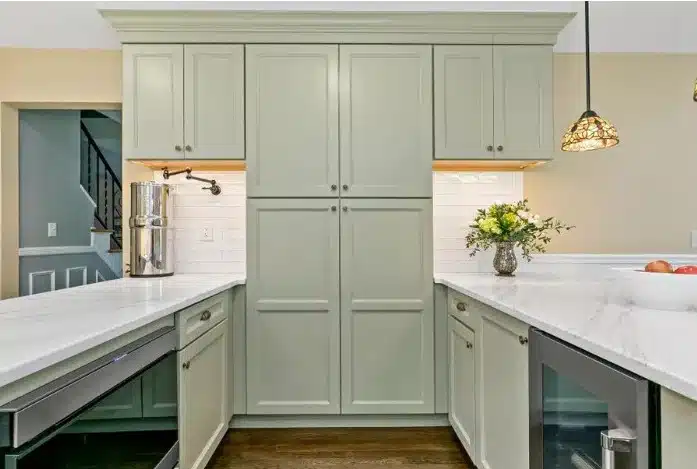
At Dreamstyle Kitchens and Baths in Mahopac, the process starts with an in-home consultation that covers how the kitchen is used, what the specific layout challenges are, and what the realistic budget looks like. Every project includes a 3D design rendering so homeowners see the finished kitchen before any work begins. Marie Frenkel’s local expertise in Putnam and Westchester County homes means she designs with the character of the home in mind, not a generic template, and her established contractor relationships keep projects on schedule throughout the process.
Whether you are planning a full custom kitchen or updating specific elements, knowing how to choose a kitchen designer for a custom project starts with asking the right questions at the first meeting. The answers tell you everything you need to know before committing.
Address: 43 Tamarack Rd., Mahopac, NY 10541
Phone: (914) 219-6856
Book Your Free Custom Kitchen Design Consultation at Dreamstyle
Frequently Asked Questions
How do I choose a kitchen designer for a custom project?
Start with local knowledge, portfolio range, and communication style. Verify credentials, confirm 3D visualization capability, and ask specifically about how they handle budget conversations and unexpected project conditions. The first consultation is your best evaluation tool. How they listen and what they ask you tells you far more than their website does.
What questions should I ask a kitchen designer before hiring them?
Ask to see before-and-after photos from comparable projects, ask how they handle unexpected demolition discoveries, confirm who your dedicated point of contact is throughout the project, and ask specifically how they manage trade sequencing to keep the timeline on track. Budget transparency and local knowledge of your area are also worth addressing directly.
Does a kitchen designer in Carmel need to know the local permit process?
Yes, and this is more important than most homeowners realize. Putnam County permit requirements for kitchen projects involving electrical, plumbing, or structural work have specific timelines and documentation requirements. A local designer who has navigated this process dozens of times keeps your project moving. A designer unfamiliar with local requirements can add weeks to your timeline with avoidable delays.
What is the difference between a kitchen designer and a kitchen contractor?
A kitchen designer creates the layout, specifies materials and finishes, produces renderings, and manages the design decision process. A contractor executes the physical work. In many cases, particularly with a full-service firm like Dreamstyle Kitchens and Baths, the designer coordinates closely with contractors and manages the project from design through installation, giving homeowners a single accountable point of contact throughout.
How much does a custom kitchen designer cost in the Mahopac area?
Design fees vary based on project scope and whether the designer provides full project management alongside the design service. At Dreamstyle Kitchens and Baths, the initial consultation is complimentary, and the design investment is discussed transparently as part of the full project estimate so homeowners have a complete picture of costs before committing.