Effective kitchen layout planning is crucial for creating a space that not only meets functional needs but also enhances long-term satisfaction for its users. A well-designed kitchen optimizes workflow, maximizes storage, and ensures that the space is comfortable and accessible. This article will explore how kitchen layout planning impacts user satisfaction, the best layouts for functionality, common mistakes to avoid, and the benefits of professional consultation in kitchen remodeling.
The best kitchen layouts prioritize an easy workflow (sink–stove–fridge), smart storage, and comfortable clearances. Choose a layout that fits your room size, then fine-tune lighting and work zones for long-term satisfaction.
How Does Kitchen Workflow Design Impact Long-Term Satisfaction?
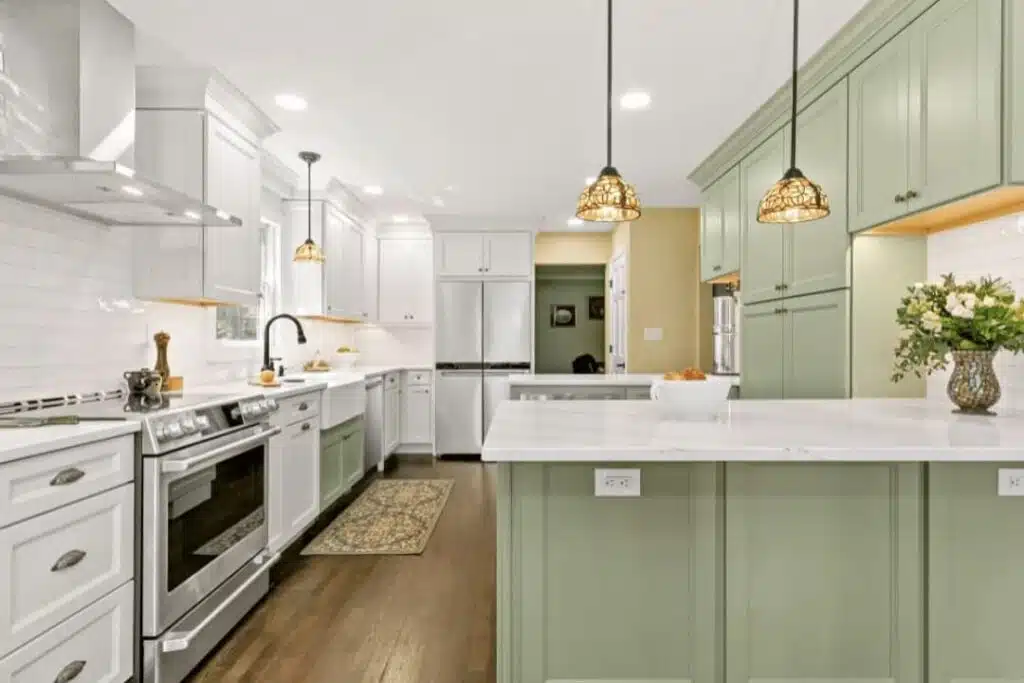
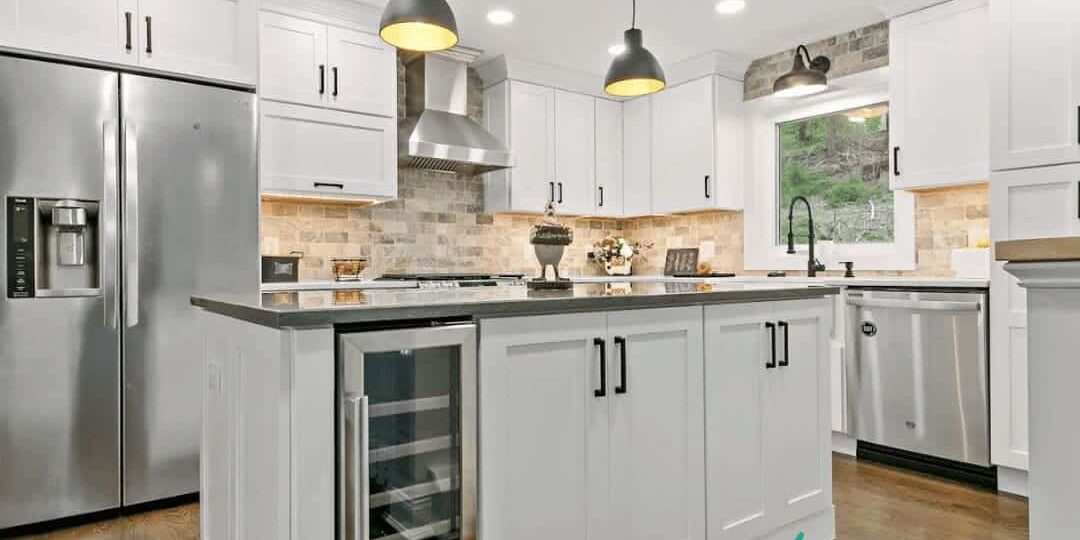
Kitchen workflow design is essential for ensuring that the space functions efficiently and meets the needs of its users. A well-planned kitchen workflow minimizes unnecessary movement and maximizes productivity, which directly contributes to user satisfaction. When the layout facilitates smooth transitions between cooking, cleaning, and storage, it enhances the overall experience of using the kitchen.
Further research emphasizes the importance of understanding user behavior and demands to create truly human-centric kitchen systems that promote long-term satisfaction.
What Are the Key Ergonomic Principles in Kitchen Layout Planning?
Ergonomic principles in kitchen layout planning focus on creating a space that is comfortable and efficient for users. Key principles include the “work triangle” concept, which positions the stove, sink, and refrigerator in a triangular layout to minimize movement. Additionally, counter heights should generally be around 36 inches (91 cm), which suits most users, but can be adjusted to accommodate the user’s height to prevent strain during meal preparation.
How Does Optimized Kitchen Workflow Enhance Daily Usability?
An optimized kitchen workflow significantly enhances daily usability by streamlining tasks and reducing frustration. For instance, placing frequently used items within easy reach and ensuring that the layout allows for multiple users can make cooking and cleaning more enjoyable. User testimonials often highlight how a well-planned kitchen layout transforms their cooking experience, making it more efficient and less stressful.
What Are the Best Kitchen Layouts for Functional Space Planning?
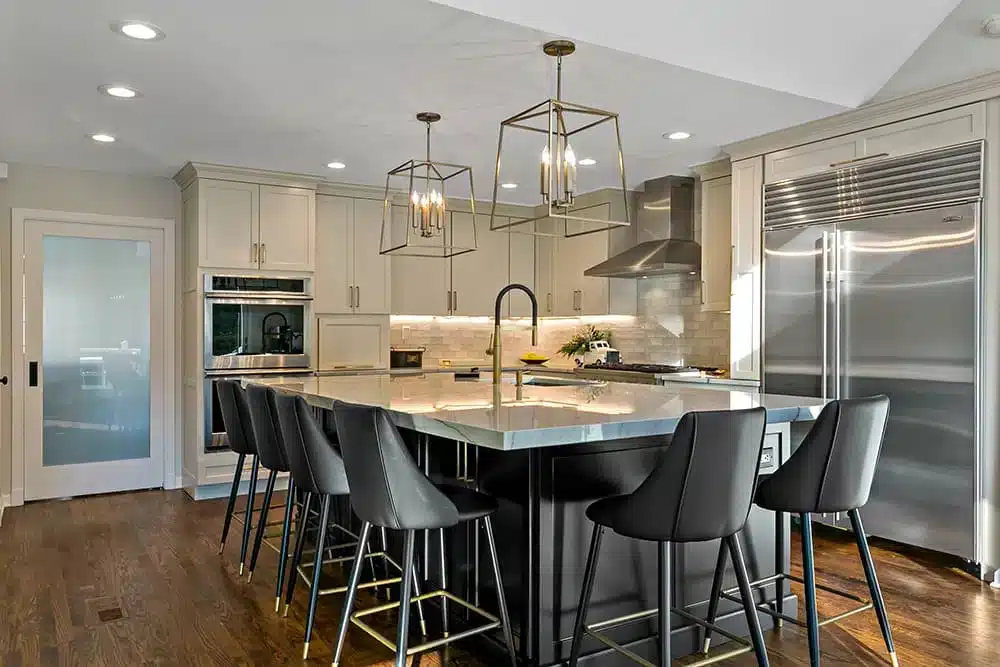
Choosing the right kitchen layout is vital for maximizing functionality and ensuring that the space meets the needs of its users. Various layouts cater to different cooking styles and space constraints, making it essential to select one that aligns with individual preferences.
Which Popular Kitchen Layout Types Maximize Efficiency?
Several popular kitchen layouts are known for their efficiency:<
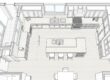
- U-shaped kitchen layout: This design offers ample counter space and storage, making it ideal for medium to large kitchens.
- L-shaped kitchen layout: Perfect for smaller spaces, this layout provides an open feel while maximizing corner storage.
- Galley kitchen layout: This efficient design features two parallel counters, allowing for easy movement and workflow, especially in narrow spaces.
Each layout type has its unique benefits, and selecting the right one can significantly enhance kitchen efficiency.
How Does Kitchen Space Planning Influence Storage and Accessibility?
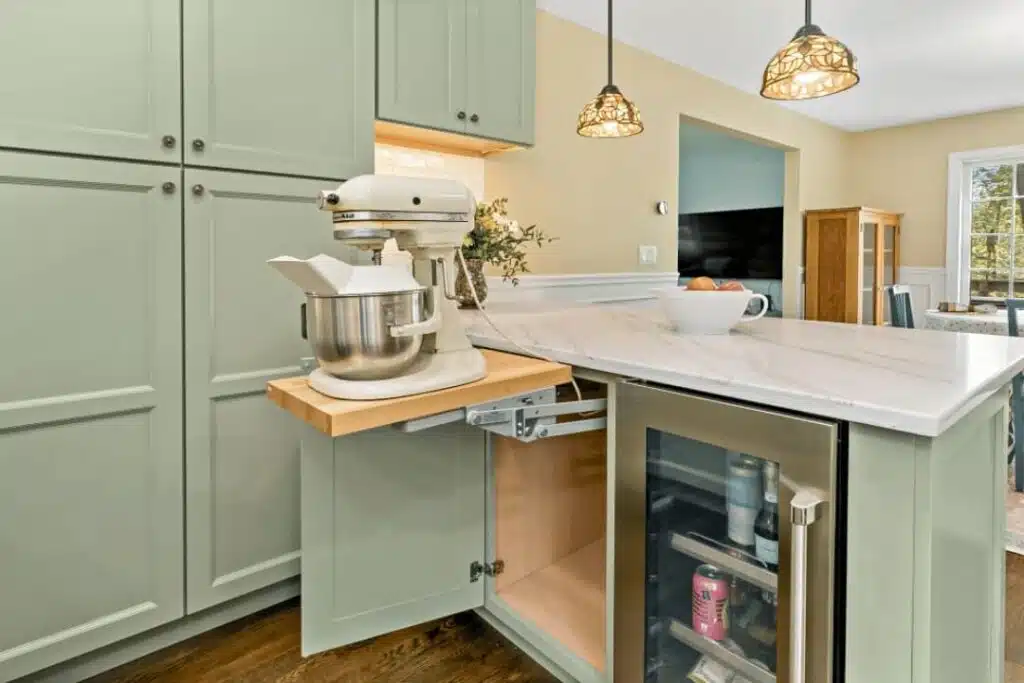
Effective kitchen space planning is crucial for optimizing storage and accessibility. By incorporating features such as pull-out shelves, deep drawers, and vertical storage solutions, homeowners can maximize their kitchen’s storage potential. Additionally, ensuring that frequently used items are easily accessible can reduce clutter and improve the overall functionality of the kitchen. Thoughtful space planning not only enhances usability but also contributes to a more organized and enjoyable cooking environment.
What Common Kitchen Layout Mistakes Should Be Avoided?
Avoiding common kitchen layout mistakes is essential for creating a functional and satisfying space. Many homeowners overlook critical design elements that can lead to frustration and inefficiency.
How Do Layout Errors Affect Kitchen Functionality and Satisfaction?
Layout errors, such as poor placement of appliances or inadequate counter space, can severely impact kitchen functionality. For example, if the stove is too far from the sink, it can create unnecessary movement and hinder cooking efficiency. These errors can lead to dissatisfaction, as users may find their kitchen challenging to navigate and use effectively.
What Are Practical Tips to Prevent Kitchen Design Flaws?
To prevent kitchen design flaws, homeowners should consider the following tips:
- Plan for the work triangle: Ensure that the stove, sink, and refrigerator are positioned within a reasonable distance to facilitate movement.
- Incorporate adequate storage: Utilize cabinets, drawers, and shelves to maximize storage and keep the kitchen organized.
- Consider traffic flow: Design the layout to allow for easy movement, especially if multiple people will be using the kitchen simultaneously.
By following these tips, homeowners can create a kitchen that is both functional and enjoyable to use.
How Can Professional Consultation Improve Kitchen Remodeling Outcomes?
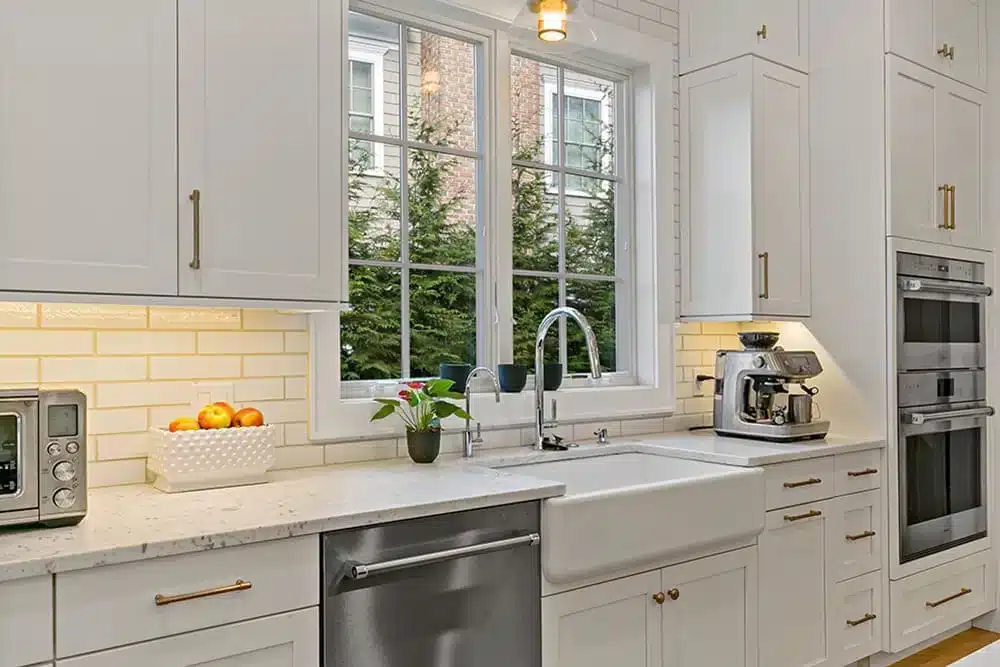
Engaging a professional for kitchen remodeling can significantly enhance the design process and outcomes. Professionals bring expertise and experience that can help homeowners avoid common pitfalls and create a space that meets their needs.
What Is the Role of Personalized Design Consultations in Layout Planning?
Personalized design consultations play a crucial role in kitchen layout planning. A professional designer can assess the space, understand the homeowner’s needs, and provide tailored solutions that enhance functionality and aesthetics. This personalized approach ensures that the final design aligns with the homeowner’s vision while optimizing the kitchen’s usability.
How Do Case Studies Demonstrate Successful Kitchen Renovations?
Case studies of successful kitchen renovations often highlight the importance of professional consultation. For instance, a recent project by DreamStyle Kitchens & Baths showcased how a well-planned layout transformed a cramped kitchen into a spacious, functional area. By incorporating ergonomic principles and optimizing workflow, the renovation not only improved usability but also increased the homeowner’s satisfaction with their space.
Frequently Asked Questions
What factors should I consider when choosing a kitchen layout?
Consider your room size, how you cook, and who uses the space daily. Prioritize a smooth sink–stove–fridge workflow, enough prep space, and storage that matches your habits.
How can I make my small kitchen feel larger?
Use light finishes, strong lighting, and vertical storage to reduce clutter. Keep walkways clear and avoid bulky islands that block flow.
What are the benefits of incorporating smart technology in kitchen design?
Smart appliances and lighting can save time and improve efficiency. Choose tech that supports your routine without adding complexity.
How can I ensure my kitchen is family-friendly?
Design for safety and visibility with open sight lines and durable, easy-clean surfaces. Store hazards up high and keep traffic paths wide and clear.
What are some eco-friendly kitchen design tips?
Choose energy-efficient appliances, low-VOC finishes, and long-lasting materials. Add water-saving fixtures and maximize natural light to cut daily utility use.
How often should I consider remodeling my kitchen?
Many homeowners remodel every 10–15 years, or sooner if the layout no longer works. If workflow and storage feel like daily pain points, it’s time to plan an update.
Create a Functional, Efficient Kitchen Designed for Long-Term Satisfaction
Effective kitchen layout planning is essential for creating a functional and satisfying space that enhances daily usability and long-term enjoyment. By understanding key ergonomic principles and avoiding common design mistakes, homeowners can optimize their kitchens for both efficiency and accessibility. Engaging with professional consultation can further elevate the design process, ensuring that the final layout aligns with individual needs and preferences. Explore our kitchen remodeling services or contact DreamStyle Kitchens & Baths for a design consult.