Effective kitchen design is crucial for optimizing workflow and enhancing daily function in both residential and commercial settings. A well-designed kitchen not only improves efficiency but also creates a more enjoyable cooking experience. This article explores how professional kitchen design can significantly impact workflow optimization, detailing the essential elements that contribute to a functional kitchen environment.
Professional kitchen design improves workflow by placing prep, cooking, and cleaning zones where you naturally move so you save steps, reduce clutter, and make daily cooking faster and safer. If you’re planning a remodel, start with a layout that fits your routines first, then choose cabinets, lighting, and smart storage to support that flow.
What Is Kitchen Workflow Optimization and Why Does It Matter?

Kitchen workflow optimization refers to the strategic arrangement of kitchen elements to enhance efficiency and functionality. This concept is vital as it directly influences how smoothly daily tasks are performed, from meal preparation to cleaning. A well-optimized kitchen minimizes unnecessary movements and maximizes productivity, allowing users to focus on cooking rather than navigating a cluttered space. Understanding the principles of workflow optimization can lead to significant improvements in both time management and overall kitchen satisfaction.
How Does Professional Kitchen Design Improve Workflow Efficiency?
Professional kitchen design enhances workflow efficiency by incorporating elements that streamline tasks. For instance, the placement of appliances, countertops, and storage areas is carefully considered to reduce the distance between frequently used items. This design approach not only saves time but also minimizes the physical strain on users. Studies have shown that kitchens designed with workflow efficiency in mind can reduce meal preparation time by up to 20%, allowing for a more enjoyable cooking experience.
What Are the Key Workflow Steps in a Kitchen?
The key workflow steps in a kitchen include preparation, cooking, and cleaning. Each step requires specific tools and space to be performed effectively.
- Preparation: This involves gathering ingredients and tools, which should be easily accessible to minimize movement.
- Cooking: The cooking phase requires efficient access to appliances and utensils, ensuring that everything needed is within reach.
- Cleaning: An organized cleaning area with proper storage for cleaning supplies can significantly reduce the time spent on this task.
By understanding these steps, kitchen designers can create layouts that facilitate a seamless flow from one task to the next.
Which Efficient Kitchen Layouts Best Support Workflow?
Choosing the right kitchen layout is essential for optimizing workflow. Various layouts cater to different cooking styles and space requirements, each with its advantages and disadvantages.
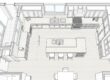
- L-Shaped Layout: This design maximizes corner space and allows for easy movement between work zones.
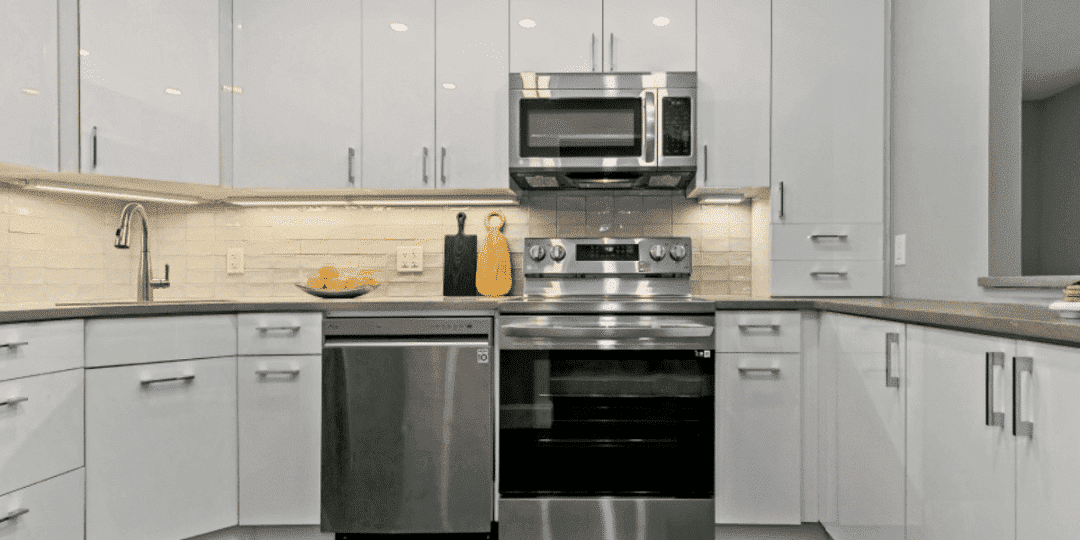
- U-Shaped Layout: Ideal for larger kitchens, this layout provides ample counter space and storage while keeping everything within reach.
- Galley Layout: Perfect for smaller spaces, the galley layout promotes efficiency by placing all essential elements along two parallel walls.
How Do Different Kitchen Layout Types Impact Daily Function?
Different kitchen layouts can significantly impact daily function by influencing how easily tasks can be completed. For example, an L-shaped kitchen allows for multiple cooks to work simultaneously without interfering with each other, while a galley kitchen may require more careful planning to avoid congestion. User experiences indicate that kitchens designed with the right layout can enhance both cooking speed and enjoyment.
What Is the Role of the Kitchen Work Triangle in Layout Planning?
The kitchen work triangle is a design principle that emphasizes the relationship between the stove, sink, and refrigerator. This triangle should ideally form a functional workspace that minimizes movement and maximizes efficiency. By ensuring that these three key areas are positioned within a reasonable distance from each other, kitchen designers can create a space that supports smooth workflow and reduces unnecessary steps.
Further emphasizing this principle, research highlights the work triangle’s critical role in assessing and ensuring kitchen layout efficiency.
How Does Ergonomic Kitchen Design Reduce Fatigue and Enhance Function?
Ergonomic kitchen design focuses on creating a space that minimizes physical strain and enhances user comfort. This approach is essential for individuals who spend significant time in the kitchen, as it can lead to reduced fatigue and increased productivity.
What Are Ergonomic Factors to Consider in Kitchen Design?
Key ergonomic factors to consider in kitchen design include:
- Counter Height: Standard counter height is typically 36 inches (91 cm), but adjustable or varied heights can accommodate users of different sizes, reducing strain during food preparation.
- Reach Zones: Items should be stored within easy reach to minimize bending and stretching.
- Appliance Placement: Positioning appliances at waist height can prevent unnecessary lifting and bending.
By incorporating these factors, kitchen designers can create a more comfortable and efficient cooking environment.
How Does Ergonomics Influence Appliance and Workspace Placement?
Ergonomics plays a crucial role in determining the placement of appliances and workspaces. For instance, placing the sink near the stove can facilitate easier transfer of pots and pans, while ensuring that frequently used items are within arm’s reach can streamline cooking processes. This thoughtful arrangement not only enhances functionality but also contributes to a more enjoyable cooking experience.
How Are Kitchen Area Defined for Preparation, Cooking, and Cleaning?
Kitchen zones can be categorized as follows:
- Preparation Zone: This area should include cutting boards, knives, and mixing bowls, all within easy reach of the sink and refrigerator.
- Cooking Zone: The stove and oven should be located near the preparation zone, with pots, pans, and utensils easily accessible.
- Cleaning Zone: This zone should feature the sink and dishwasher, with storage for cleaning supplies nearby.
By clearly defining these zones, kitchen designers can enhance workflow and reduce the time spent transitioning between tasks.
How Should Appliances and Storage Be Placed for Optimal Workflow?
The placement of appliances and storage is critical for achieving optimal workflow in the kitchen. Thoughtful arrangement can significantly enhance efficiency and functionality.
What Are Best Practices for Appliance Placement in Professional Kitchens?
Best practices for appliance placement include:
- Proximity to Work Zones: Appliances should be located near their corresponding work zones to minimize movement.
- Accessibility: Frequently used appliances should be easily accessible, while less commonly used items can be stored in less convenient locations.
- Clear Pathways: Ensure that there is enough space around appliances for safe and efficient use.
These practices help create a kitchen that supports smooth workflow and reduces the risk of accidents.
How Does Storage Planning Support Efficient Kitchen Function?
Effective storage planning is essential for maintaining an organized kitchen. By utilizing vertical space and incorporating pull-out shelves, designers can maximize storage capacity while keeping items easily accessible. This organization not only enhances efficiency but also contributes to a more enjoyable cooking experience.
How Do Lighting, Ventilation, and Smart Technologies Enhance Kitchen Function?
Lighting, ventilation, and smart technologies play a significant role in enhancing kitchen function. These elements contribute to a comfortable and efficient cooking environment.
What Lighting and Ventilation Considerations Improve Kitchen Workflow?
Proper lighting and ventilation are crucial for creating a functional kitchen. Key considerations include:
- Task Lighting: Bright, focused lighting over work areas can improve visibility and safety.
- Natural Light: Incorporating windows can enhance the overall ambiance and reduce reliance on artificial lighting.
- Ventilation: Adequate ventilation helps remove cooking odors and moisture, contributing to a healthier kitchen environment.
By addressing these factors, kitchen designers can create a space that is both functional and pleasant to work in.
How Can Smart Kitchen Technologies Optimize Daily Tasks?
Smart kitchen technologies, such as programmable appliances and smart home integration, can significantly optimize daily tasks. These technologies allow users to control appliances remotely, set timers, and receive notifications, making cooking more convenient and efficient. As smart technologies continue to evolve, they offer exciting possibilities for enhancing kitchen functionality and user experience.
Frequently Asked Questions
What are the benefits of incorporating smart technologies in kitchen design?
Smart appliances can automate routine tasks (timers, temperature control, reminders) and reduce wasted steps. They also help you manage energy use and stay organized through app-based controls and notifications.
How can lighting design impact kitchen workflow?
Good lighting improves visibility where you prep and cook, which makes tasks faster and safer. Layering ambient, task, and under-cabinet lighting reduces shadows and eye strain.
What are some common mistakes to avoid in kitchen design?
Common mistakes include putting key zones too far apart, underestimating storage, and ignoring ergonomics (counter heights, clearance, and reach). A designer can prevent these issues with a layout built around your daily routine.
How can I ensure my kitchen design is suitable for multiple users?
Plan wider walkways and clear work zones so two people can prep, cook, and clean without bumping into each other. Adding a second prep area, extra landing space near appliances, and smart storage also keeps traffic flowing smoothly.
What role does ventilation play in kitchen design?
Ventilation removes smoke, odors, and moisture, keeping the kitchen comfortable and protecting finishes from grease buildup. A properly sized hood and good ducting also improve indoor air quality.
How can I maximize storage in a small kitchen?
Maximize vertical space with full-height cabinets or shelving, and use pull-outs to reach deep corners easily. Add organizers (drawer dividers, spice pull-outs) so every inch stays functional and clutter-free.
Transform Your Kitchen Into a Functional, Long-Lasting Space
Professional kitchen design is essential for enhancing workflow and improving daily function, making cooking more efficient and enjoyable. By strategically arranging kitchen elements, users can minimize unnecessary movements and maximize productivity, leading to a more satisfying cooking experience. Embracing ergonomic principles and effective zoning further supports comfort and efficiency in the kitchen. If you’re planning a remodel book a consultation with DreamStyle Kitchens & Baths